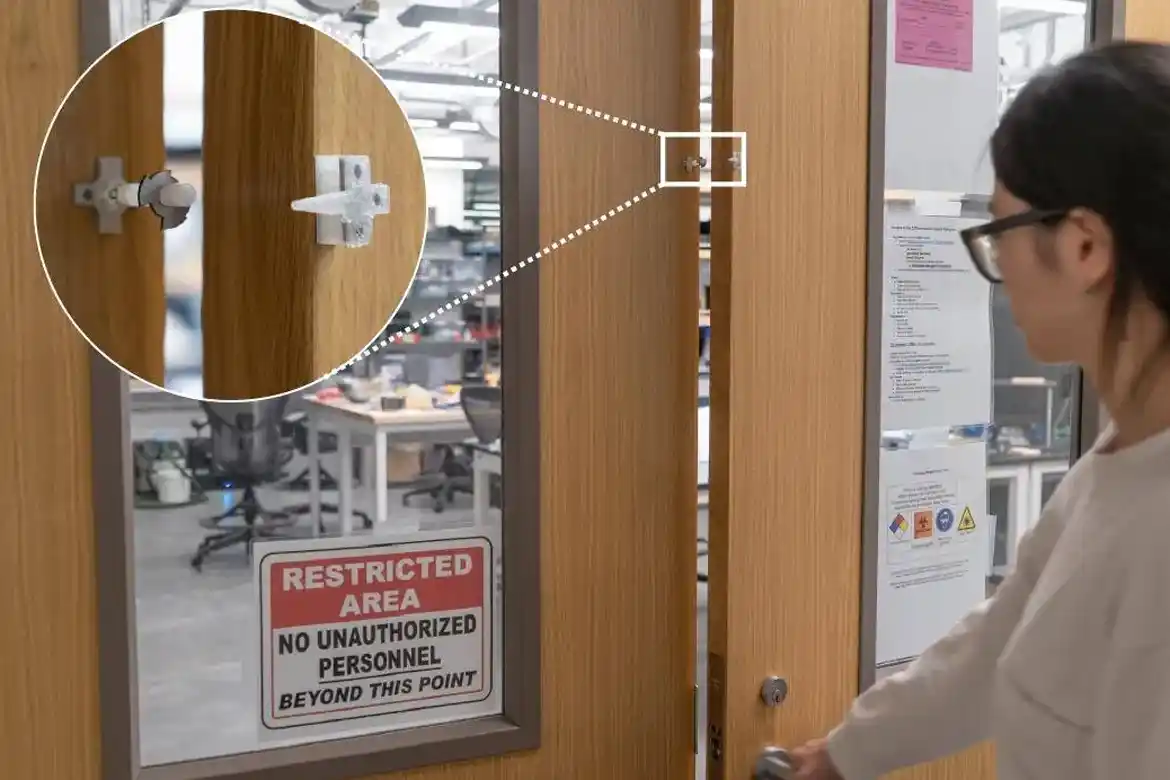
Researchers at the Georgia Institute of Technology have developed SoundOff, a low-cost passive sensing system for smart homes. These sensors do not use electricity, electronics, or batteries. Instead, they detect motion using sound.
Small Metal Tags with Unique Ultrasonic Fingerprints
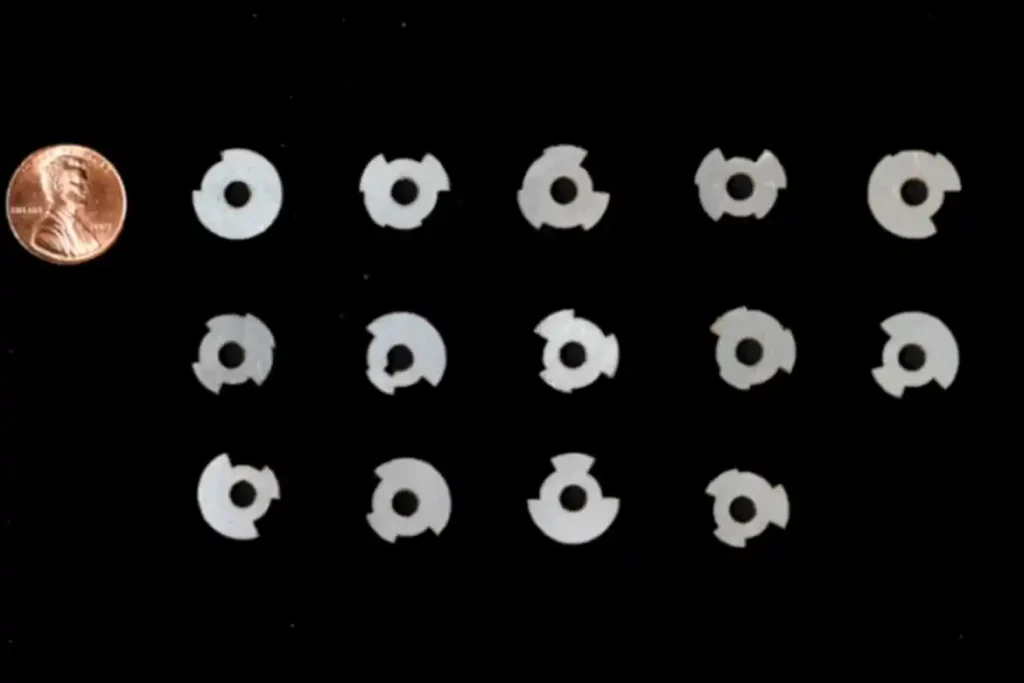
The system uses small, uniquely shaped metal tags. Each tag is designed so that its shape determines how it vibrates. When movement happens, the tag produces a natural resonance that shifts entirely into the ultrasonic range. This ultrasonic frequency pattern acts as a unique fingerprint for that tag and is inaudible to people.
Unlike a normal piece of metal that creates a long, audible ringing sound when struck, these specially designed tags do not produce lasting audible resonance. The resonance exists in ultrasonic frequencies only.
Clear Signals in Everyday Environments
These ultrasonic signals maintain a high signal-to-noise ratio even when people are talking, music is playing, water is running, or home appliances are operating. The signals remain clear and distinguishable in normal home conditions.
Detecting Motion Without Power
A wearable ultrasonic microphone can listen for these ultrasonic fingerprints. By recognizing the specific pattern, the system can determine which object moved and when it moved. The tag itself remains fully passive with no electronics or batteries.

Practical Examples in Daily Life
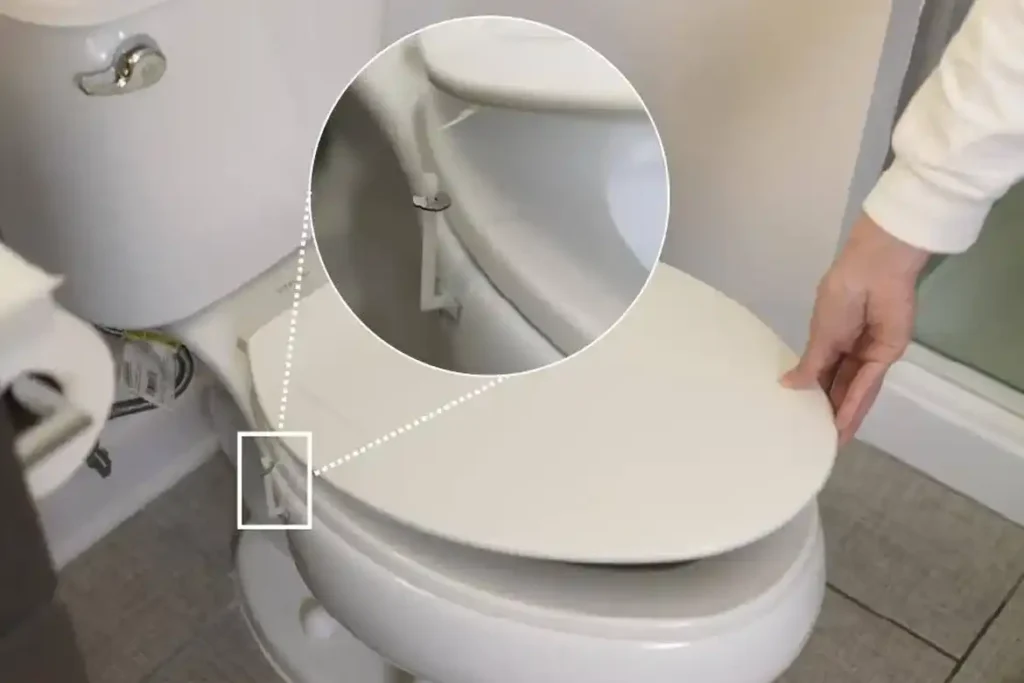
A tag attached to a door can allow the system to detect when and which door was opened. A tag placed on a toilet can detect a bathroom visit and remind you to wash your hands, while also measuring how long you washed.
A tag attached to a squat rack can count exercise repetitions by detecting each movement. Tags on windows can allow the system to detect when rain starts and identify which window needs to be closed.
Non-Invasive and Non-Intrusive Sensing
SoundOff provides a way to sense motion and activity in a home without cameras, wired sensors, or powered devices. The system relies only on passive metal tags and ultrasonic detection, making it a non-invasive and non-intrusive approach to smart home monitoring.
Source: Georgia Tech

